
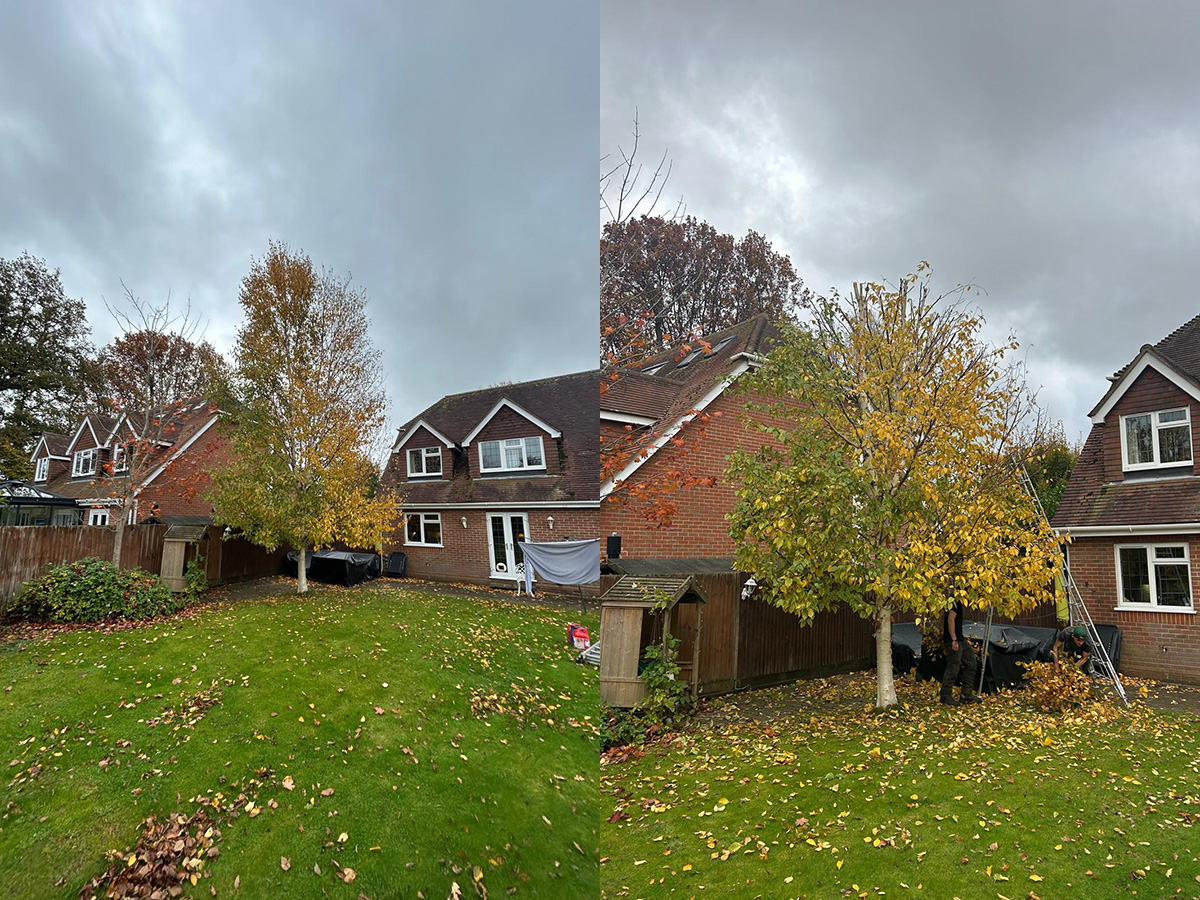
If you’re searching for a tree surgeon in Dorking, chances are you’ve noticed something that needs attention. Perhaps a tree has become too large, a branch has been damaged in a storm, or you’re concerned about the health and safety of a tree on your property.
One of the most common questions homeowners ask is:
“What services do I actually need?”
Tree surgery covers a wide range of specialist services, and understanding the different options can help you make the right decision for your trees, garden and property.
In this guide, we’ll explain the most common tree surgery services in Dorking and when each may be appropriate.
What Does a Tree Surgeon Do?
A tree surgeon specialises in the care, maintenance and management of trees.
Their role includes:
- Improving tree health
- Maintaining safety
- Managing growth
- Preventing property damage
- Removing dangerous or unwanted trees
Professional tree surgeons in Surrey use specialist equipment and techniques to carry out work safely while preserving the long-term health of trees wherever possible.
Crown Reduction
One of the most common services requested in Dorking is crown reduction.
This involves carefully reducing the size of a tree’s canopy while maintaining its natural shape.
Homeowners often choose crown reduction to:
- Reduce the size of an overgrown tree
- Minimise shading
- Reduce wind resistance
- Prevent branches encroaching on buildings
A properly executed crown reduction can significantly improve safety and appearance without harming the tree.
Crown Lifting
Crown lifting involves removing the lower branches of a tree.
This creates additional clearance beneath the canopy and is commonly used when:
- Branches obstruct footpaths
- Trees interfere with roads or driveways
- Light levels need improving beneath the tree
Crown lifting is particularly common in residential areas throughout Dorking and Surrey.
Crown Thinning
Unlike crown reduction, crown thinning removes selected branches throughout the canopy without significantly altering the overall size.
Benefits include:
- Improved light penetration
- Better air circulation
- Reduced wind loading
- Lower risk of branch failure
Many mature trees benefit from periodic crown thinning to maintain a healthy structure.
Tree Removal & Tree Felling
Sometimes tree removal is the safest or most practical option.
Reasons for tree removal may include:
- Disease or decay
- Structural instability
- Storm damage
- Development projects
- Trees growing too close to buildings
Professional tree surgeons will always assess whether removal is necessary before recommending it.
Where possible, trees should be retained and managed rather than removed.
Stump Grinding & Stump Removal
After a tree has been removed, the remaining stump can:
- Become a trip hazard
- Encourage regrowth
- Attract pests
- Limit future landscaping
Stump grinding removes the visible stump below ground level, allowing the area to be reused for turf, planting or paving.
Deadwood Removal
Dead branches can present significant risks.
Deadwood removal involves identifying and removing:
- Dead branches
- Broken limbs
- Diseased wood
This helps improve safety while also enhancing the appearance of the tree.
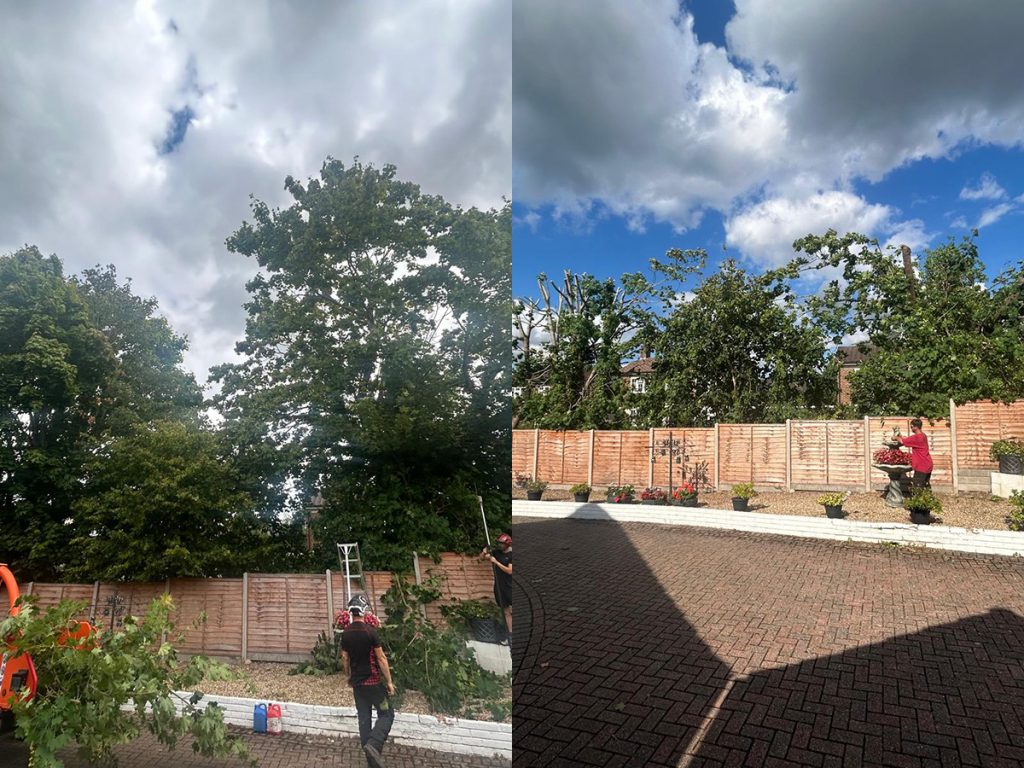
Tree Pruning
Tree pruning is often carried out to:
- Improve tree health
- Remove damaged growth
- Shape young trees
- Encourage healthy development
Different tree species require different pruning techniques and timings, making professional advice important.
Hedge Management
Many homeowners searching for tree surgeons also require hedge maintenance.
Professional hedge management can include:
- Height reduction
- Reshaping
- Annual maintenance
- Hedge restoration
Well-maintained hedges improve privacy, appearance and property boundaries.
Emergency Tree Surgery
Strong winds and severe weather can cause sudden tree failures.
Emergency tree surgery may be required following:
- Storm damage
- Fallen trees
- Split branches
- Dangerous hanging limbs
Rapid response helps protect people, property and vehicles from further damage.
How Do You Know Which Service You Need?
Many property owners are unsure which service is appropriate.
A professional tree surgeon will assess:
- Tree species
- Health and condition
- Structural integrity
- Location
- Desired outcome
They can then recommend the most suitable course of action.
In many cases, a relatively minor intervention such as crown reduction or deadwood removal can avoid the need for more extensive work later.
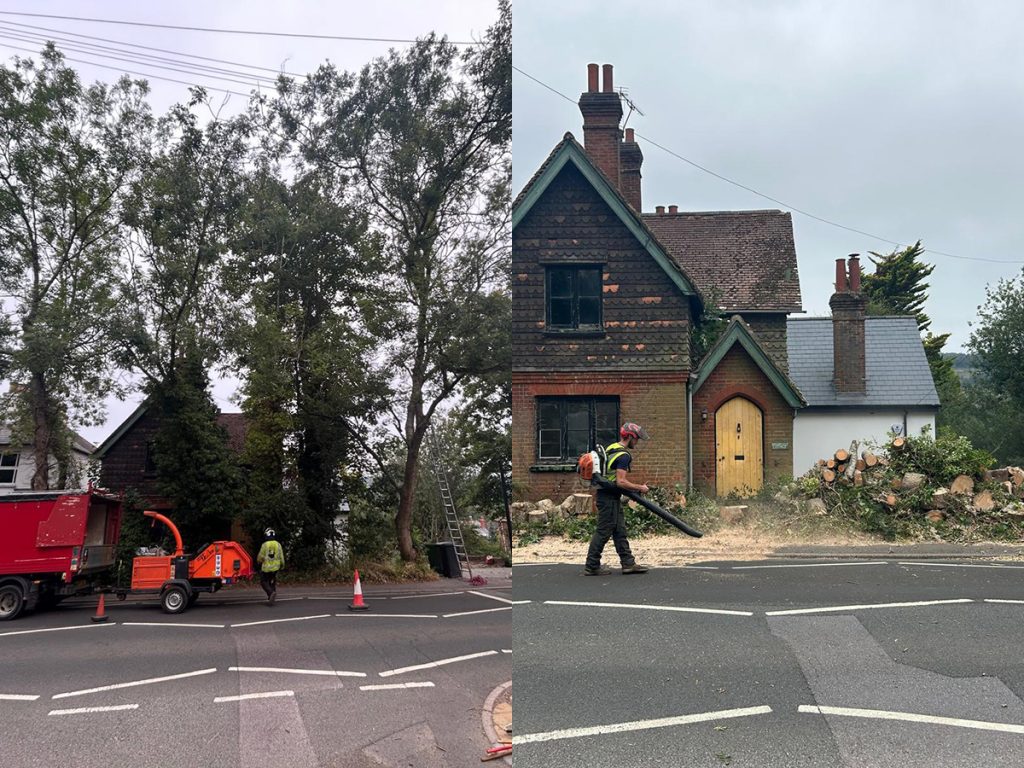
Why Local Tree Surgeons Matter
Choosing a local tree surgeon in Dorking offers several advantages.
Local specialists understand:
- Common tree species
- Local planning requirements
- Tree Preservation Orders
- Conservation Area restrictions
- Seasonal tree issues
This local knowledge helps ensure work is carried out safely, legally and effectively.
Tree Surgery Services in Dorking, Reigate & Surrey
At South East Tree Forestry and Tree Services, we provide a full range of professional tree surgery services throughout:
- Dorking
- Reigate
- Surrey
Our experienced team can advise on the most appropriate treatment for your trees and provide safe, professional tree care tailored to your property.
Final Thoughts
Not every tree requires major work.
In many cases, a simple crown reduction, deadwood removal or pruning programme can significantly improve the health, safety and appearance of a tree.
If you’re unsure what service you need, arranging a professional assessment is the best first step.
A qualified tree surgeon can identify issues early and recommend the most effective solution for your trees and garden.
FAQs
What does a tree surgeon do?
A tree surgeon specialises in the care, maintenance and safe management of trees, including pruning, crown work, tree removal and stump grinding.
When should I call a tree surgeon?
You should contact a tree surgeon if you notice dead branches, storm damage, excessive growth, signs of disease or concerns about tree safety.
Can a tree surgeon save a diseased tree?
In many cases, yes. Early diagnosis and appropriate management can often improve tree health and prevent further decline.
What is the difference between a tree surgeon and an arborist?
An arborist is typically focused on tree assessment and management advice, while a tree surgeon carries out practical tree work. Many professionals undertake both roles.
How often should trees be inspected?
Most mature trees benefit from periodic inspections, particularly after storms or if they are located near buildings, roads or public areas.