
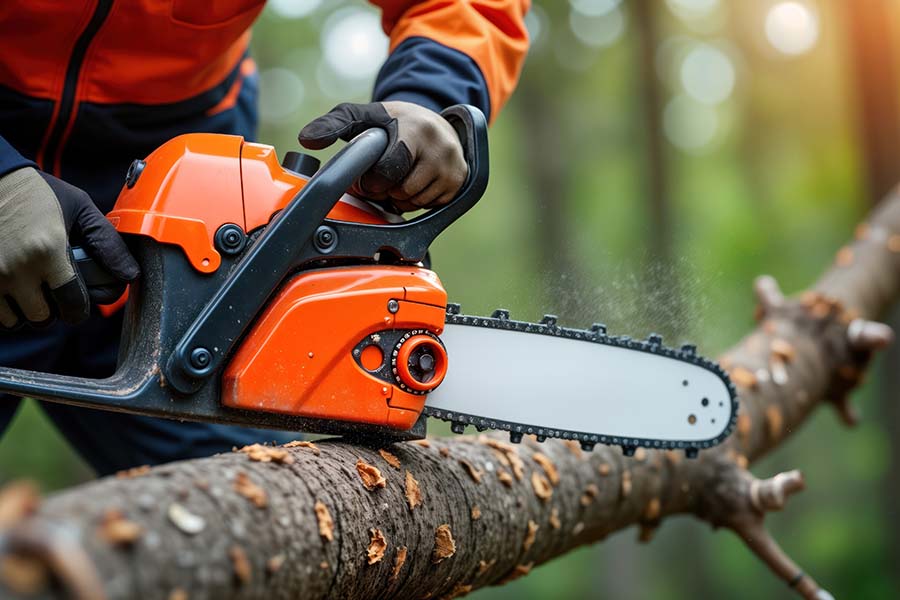
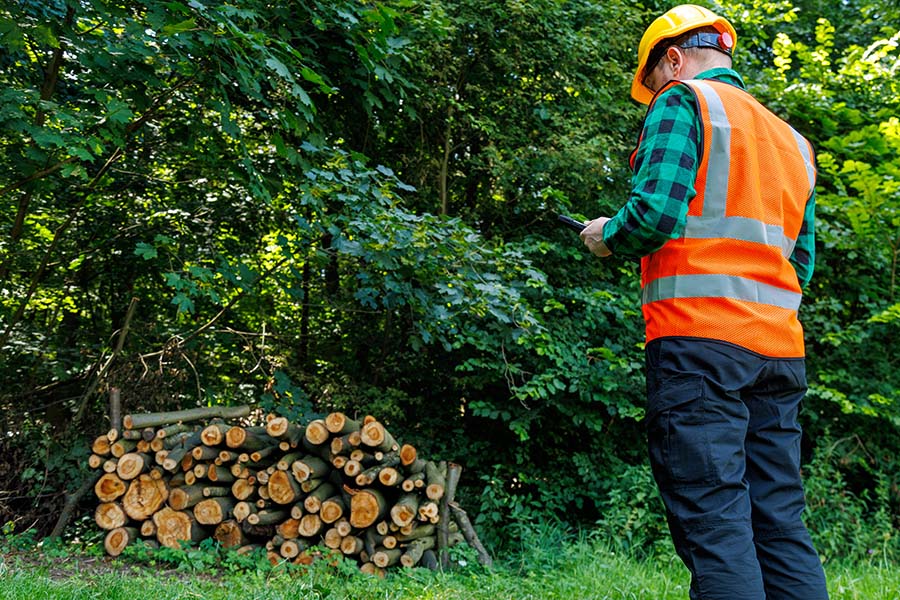
When you ask a tree surgeon to look at a tree, the assessment involves much more than deciding whether a few branches need cutting.
Trees are living structures, and their condition can be influenced by their roots, trunk, branches, surrounding ground, previous pruning and even changes elsewhere in the garden.
So, what does a tree surgeon actually look for during an inspection?
Here are some of the main factors that may be considered when assessing trees in Dorking, Reigate and across Surrey.
1. The Overall Appearance of the Tree
The assessment begins with the tree as a whole.
A tree surgeon may consider:
- Overall shape
- Crown density
- Leaf condition
- Dead or dying areas
- Unusual lean
- Evidence of previous pruning
Changes in the crown can sometimes provide clues to problems elsewhere in the tree.
2. Dead, Broken or Hanging Branches
Deadwood is one of the most obvious issues.
A tree surgeon will look for branches that are:
- Dead
- Cracked
- Partially detached
- Hanging
- Structurally compromised
Their significance depends partly on where they are located. A dead branch above an unused area may present a different level of concern from one over a driveway, footpath or building.
3. Branch Unions and Tree Structure
Where branches and stems join can be important to overall structural integrity.
The inspection may consider:
- Weak unions
- Cracks
- Included bark
- Previous failures
- Unbalanced growth
This can help identify whether particular branches require management.
4. The Trunk
The trunk provides important information about tree condition.
Potential signs include:
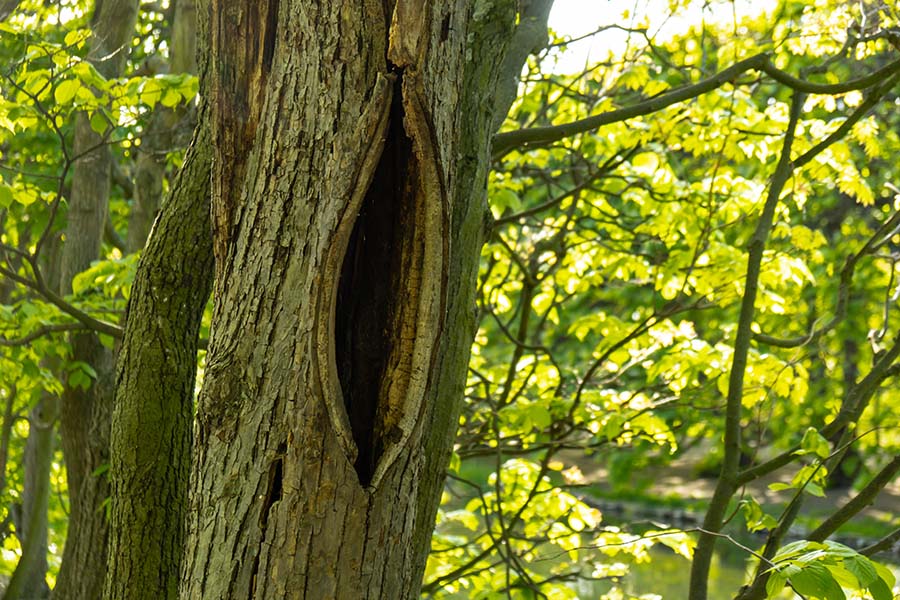
- Cracks or splits
- Cavities
- Damaged bark
- Wounds
- Areas of decay
- Fungal fruiting bodies
Not every cavity or area of decay means a tree is unsafe. Its significance needs to be considered in the context of the whole tree.
5. Roots and Surrounding Ground
Tree health doesn’t stop at ground level.
Visible root and ground conditions can reveal:
- Root damage
- Soil disturbance
- Changes in ground level
- Construction damage
- Root plate movement
Recent building work, excavation, driveways or landscaping near a tree can sometimes affect its rooting environment.
6. Signs of Pests, Disease or Decay
Tree surgeons may look for indicators such as:
- Fungal growth
- Unusual leaf loss
- Crown dieback
- Bark abnormalities
- Dead branches
- Reduced vigour
Correct identification matters because similar symptoms can have very different causes.
7. Previous Tree Surgery
Past pruning can affect how a tree develops.
A tree surgeon may assess previous cuts and subsequent growth to understand whether earlier work has influenced the tree’s current structure.
This is particularly relevant where trees have previously undergone substantial reduction or inappropriate cutting.
8. The Tree’s Surroundings
Risk isn’t determined solely by the condition of the tree.
Location matters.
A tree beside a busy road, house, school, driveway or frequently used garden area requires different consideration from an equivalent tree standing in an isolated field.
A professional assessment therefore considers both the tree and what surrounds it.
9. Whether Tree Surgery Is Actually Required
Importantly, an inspection shouldn’t begin with the assumption that work must be carried out.
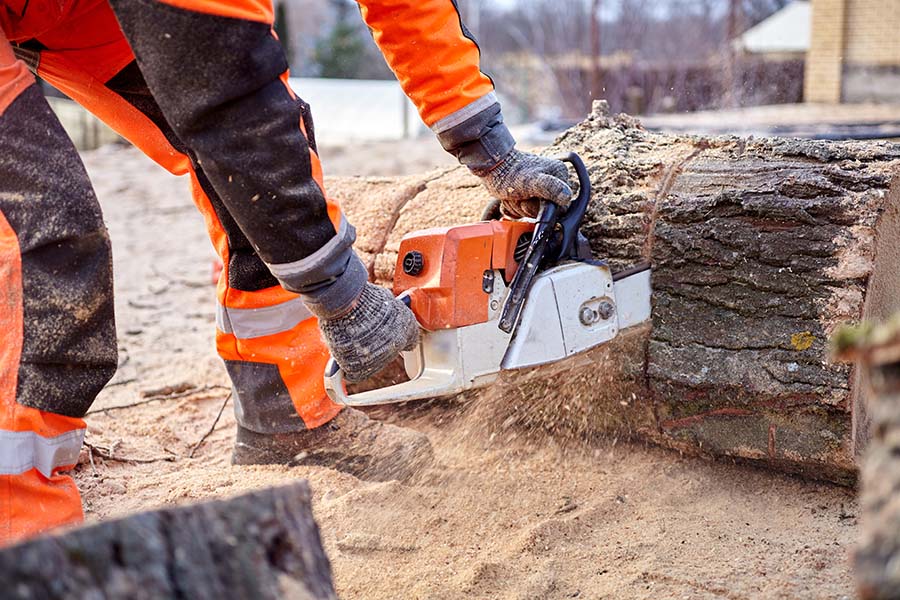
Possible outcomes include:
- No work required
- Monitoring
- Deadwood removal
- Selective pruning
- Crown reduction
- Crown lifting
- Crown thinning
- Further specialist assessment
- Removal where appropriate
The recommendation should be proportionate to the issue identified.
What Should You Tell the Tree Surgeon?
Before the inspection, mention anything you’ve noticed, including:
- Recent storm damage
- Falling branches
- Changes in lean
- Fungi
- Nearby building work
- Previous pruning
- Changes in leaf growth
This background can help provide useful context.
Tree Surgeons in Dorking, Reigate and Surrey
South East Forestry and Tree Services has more than 25 years’ experience providing tree surgery across Surrey and Sussex and works with domestic and commercial clients. The company is based near Dorking and serves Reigate and communities across Surrey.
If you’re concerned about a tree, an initial professional assessment can help establish whether intervention is necessary and which tree surgery service is most appropriate.
Quick Answer: What Does a Tree Surgeon Check?
A tree surgeon may examine the crown, branches, branch unions, trunk, visible roots, surrounding ground and the tree’s relationship with nearby people and property.
They will also look for signs of damage, decay or disease and consider whether pruning, crown work, monitoring or removal is appropriate.
Final Thoughts
A tree inspection isn’t simply about looking for branches to cut.
It involves considering the tree as a complete living structure and understanding how its condition relates to its surroundings.
For homeowners in Dorking, Reigate and Surrey, professional assessment can provide a clearer understanding of a tree’s condition and help ensure that any subsequent work is appropriate.
FAQs
What does a tree surgeon check when inspecting a tree?
A tree surgeon may assess the crown, branches, trunk, visible roots, surrounding ground, tree condition and its proximity to people, buildings and other property.
Can a tree surgeon tell if a tree is dangerous?
A professional assessment can identify visible defects and factors that may affect tree safety. Further specialist investigation may sometimes be recommended.
What are common warning signs in a tree?
Dead or broken branches, cracks, unusual lean, fungal growth, root disturbance and significant crown dieback can all warrant further assessment.
Will a tree surgeon always recommend cutting the tree?
No. Depending on its condition, no immediate work or continued monitoring may be appropriate.
Should trees be inspected after building work?
If construction, excavation or landscaping has taken place close to mature trees, an assessment may be worthwhile because roots and surrounding soil can be affected.