
Whether you have a mature oak casting shade over your patio or a row of ornamental trees lining your garden path, pruning is an essential part of tree care. While it may seem like an optional task to some, pruning is necessary for maintaining tree health, safety, and appearance—especially in residential gardens like those found across Surrey.
If you’re wondering whether you really need to prune the trees in your garden, this guide will explain the key reasons why regular pruning matters, the best times to do it, and how professional tree surgeons can help you get the job done right.

Why Is Pruning Important for Trees?
Tree pruning isn’t just about shaping a tree to look neat (although it certainly helps with that). It’s a critical maintenance task that:
- Promotes healthy growth by removing dead, diseased or overcrowded branches
- Prevents hazards such as falling limbs or branches interfering with power lines or buildings
- Encourages better airflow and sunlight to reach inner branches and surrounding plants
- Improves fruit or flower production for trees like apple, cherry, or magnolia
- Maintains structural integrity, especially in young or fast-growing trees
Without proper pruning, trees can become overgrown, vulnerable to disease, or dangerous—particularly in high winds or storms.
What Are the Signs a Tree Needs Pruning?
It’s not always obvious when a tree requires pruning, but here are common signs:
- Dead or dying branches
- Crossing or rubbing branches that can cause wounds and introduce infection
- Overhanging limbs close to your roof, windows or pathways
- Sparse canopy or lack of light reaching your garden
- Unbalanced growth making the tree appear lopsided or top-heavy
If you notice any of these, it’s a strong indicator that a professional inspection and pruning may be necessary.
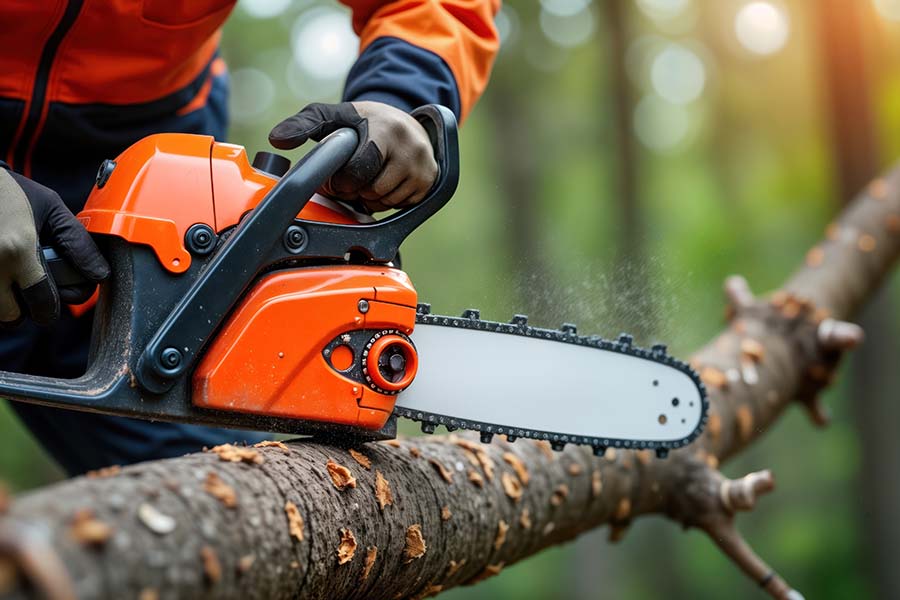
When Should You Prune Trees in the UK?
The ideal time for pruning depends on the type of tree and the goal of the pruning, but general guidance includes:
- Winter (Dormant Season):
Best for most deciduous trees. Pruning while the tree is dormant helps reduce stress and encourages strong spring growth. - Spring:
Useful for light shaping and removing damaged limbs after winter storms. However, avoid heavy pruning during active growth unless absolutely necessary. - Summer:
Suitable for slowing down overly vigorous growth or removing limbs that obstruct views or structures. - Autumn:
Light pruning is okay, but avoid significant cuts, as trees are preparing for dormancy and may not heal as quickly.
Note: Some species (like cherry and plum) are best pruned in summer to reduce the risk of disease like silver leaf.
Is Pruning Necessary for Young Trees?
Absolutely. Formative pruning in the early years of a tree’s life helps establish a strong structure, minimises future maintenance, and prevents issues like weak branch unions or crowded growth.
Left unpruned, young trees can develop poor form, leading to costly problems down the line.
What Are the Risks of Not Pruning?
Failing to prune your trees can lead to a range of issues:
- Safety Hazards: Dead branches may fall unexpectedly, particularly in wind or storms.
- Property Damage: Overgrown limbs can rub against walls, gutters, or roof tiles.
- Reduced Tree Health: Poor airflow and light penetration encourage fungal growth and pest infestations.
- Invasive Growth: Suckers or water sprouts can divert energy away from the main structure of the tree.
Neglecting pruning doesn’t just affect appearance—it can shorten the lifespan of your trees and result in much higher costs later on.
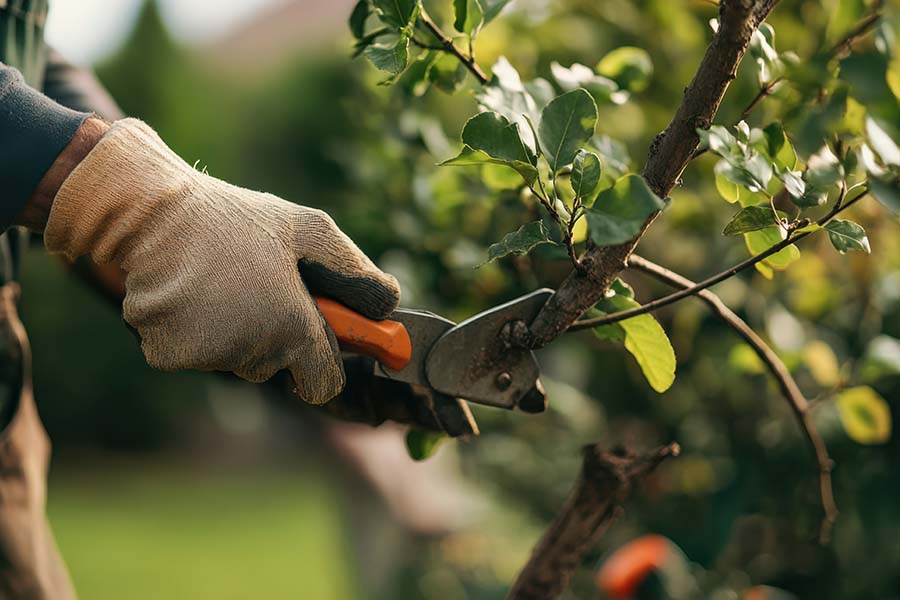
Can I Prune Trees Myself?
While light pruning (e.g. removing small dead twigs or shaping shrubs) is safe for most homeowners, larger or high-up limbs should always be left to professionals.
DIY tree pruning can be dangerous if:
- The tree is near power lines
- The branches are large or high up
- You’re unsure how or where to cut
Using the wrong technique or cutting at the wrong time can also damage the tree, encourage disease, or create structural instability.
How Can a Tree Surgeon Help?
Qualified tree surgeons have the training, tools, and experience to prune trees safely and correctly. They can:
- Identify which branches to remove without harming the tree
- Assess for signs of disease or instability
- Use specialist climbing equipment for high or hard-to-reach limbs
- Dispose of all cuttings responsibly
- Prune in compliance with Tree Preservation Orders (TPOs) and local council regulations
If you’re in Surrey, hiring a local, insured tree surgeon ensures the job is done to the right standards.
Final Thoughts: Is It Necessary to Prune Garden Trees?
Yes, pruning is necessary for almost every tree in your garden at some point in its life. From keeping your property safe to promoting tree health and beauty, regular pruning is an essential part of tree care.
If you’re unsure when or how to prune your trees, it’s always best to consult a professional. A local Surrey-based tree surgeon can assess your garden, offer expert advice, and carry out safe, effective pruning that will benefit your trees for years to come.